
Company Evolution
Company Evolution
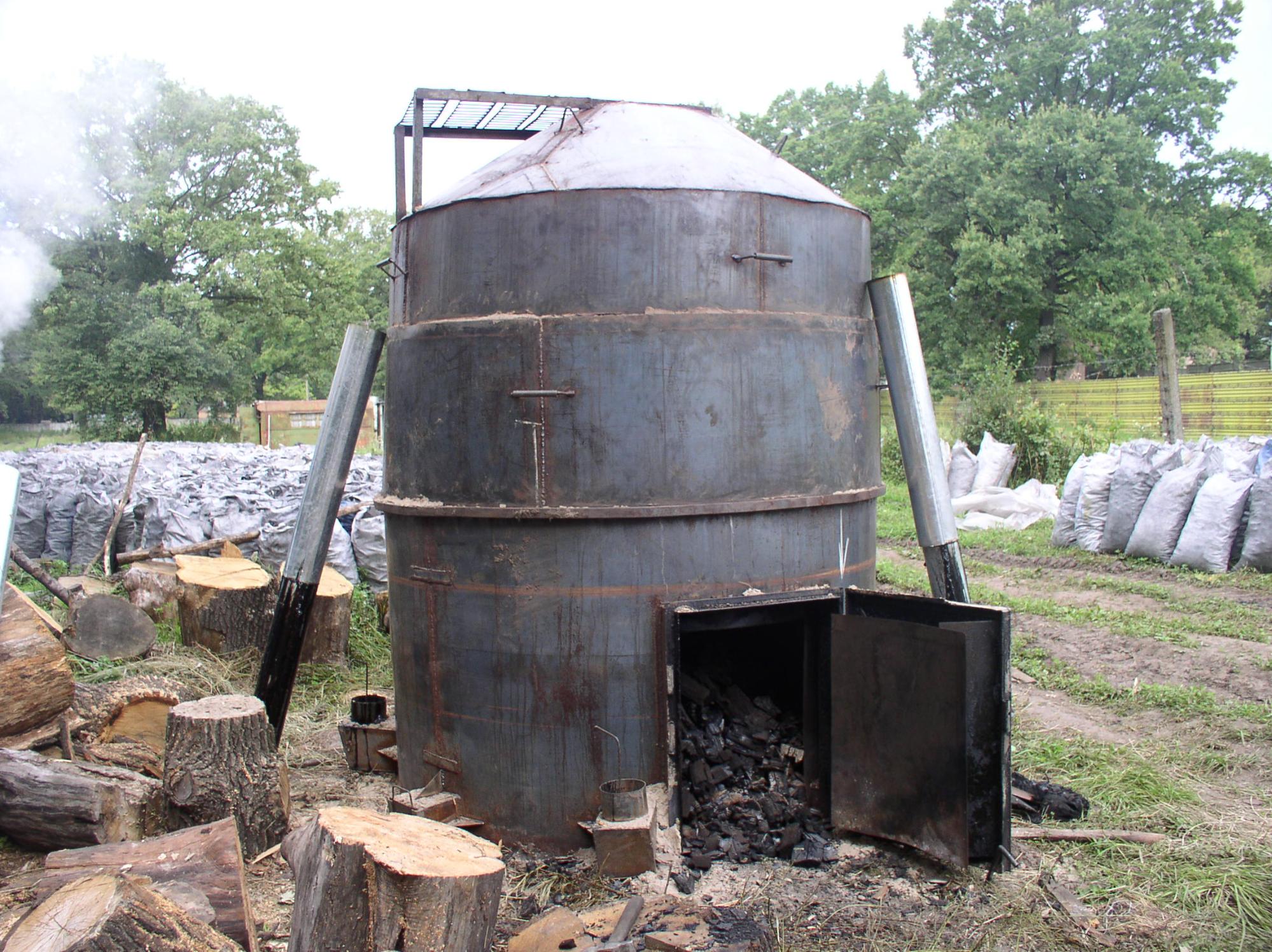
GreenPower’s expertise in carbonization technologies is rooted in early hands-on experience in charcoal production, where initial processes relied on simple kilns with limited control over product quality and working conditions.
This practical foundation led to the development of our first proprietary furnace in 2001 — a vertical steel unit with internal heat carrier supply, integrating drying, pyrolysis, and cooling within a single process volume. Based on this concept, the UP-2 and UP-3 “Alenka” systems were introduced, significantly improving process stability and the quality of lump charcoal.
Thanks to optimized design and dimensions, “Alenka” units provided more uniform carbonization, higher product consistency, and practical advantages in maintenance and transport compared to existing alternatives. This led to wide adoption of the technology among charcoal producers.
Between 2002 and 2005, more than 100 units of this type were manufactured, many of which remain in operation today. This stage laid the foundation for GreenPower’s engineering approach and the transition toward modern industrial carbonization systems.
Technology Evolution
By 2003–2004, it became clear that traditional charcoal kilns could not meet the growing requirements for lump charcoal quality – such as mechanical density and coal dust quantity. Production strongly depended on operator experience, weather conditions, and kiln size, while charcoal wastes remained high, yield low and carbonization was difficult to control.
At the same time, producers faced consistent technical limitations:
- uneven carbonization with underburned and overburned zones
- low mechanical strength and high fines content
- inability to process small-size wood and woodworking residues
- unstable product quality from batch to batch
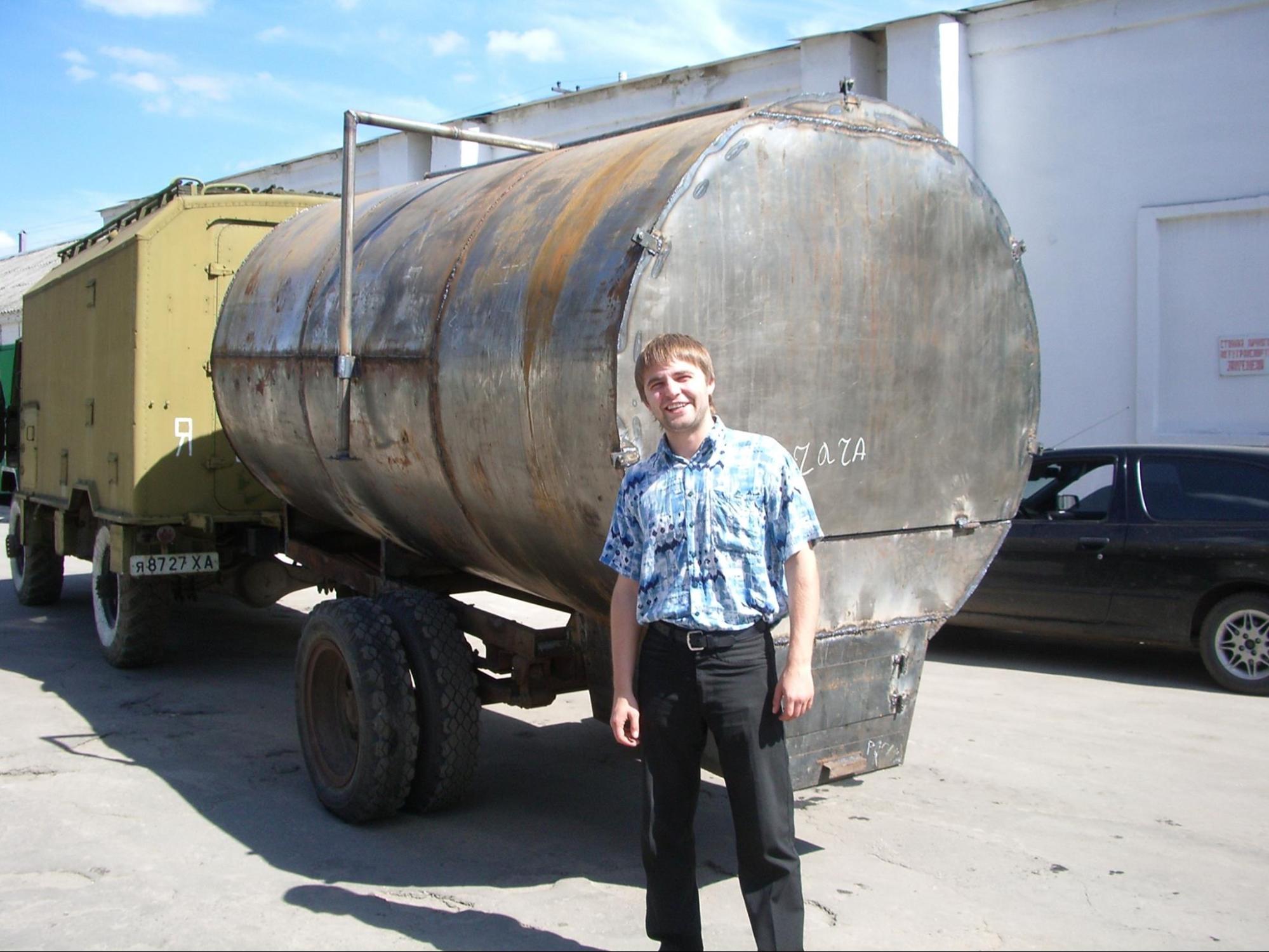
In response to these challenges, GreenPower initiated the development of a new generation of carbonization equipment in 2003 with a nickname “Bezzolnaya”, focused on controlled process conditions and improved product quality.
In early 2004, the first industrial solution of this mobile type UP-1 “Bezzolnaya” was introduced. The new furnace design ensured:
- uniform heat distribution and stable carbonization
- reduced formation of fines and improved mechanical strength
- the ability to process a wide range of raw materials, including wood waste
- significantly lower emissions compared to traditional furnaces
During further development, the original kiln design was significantly refined and improved. In the following years, GreenPower introduced three upgraded versions of the UP-1, UP-2, and UP-3 “Ugolkov” systems, featuring a simplified and more reliable charcoal unloading mechanism. Between 2004 and 2010, more than 300 units of this type were manufactured and delivered, demonstrating strong market demand and practical efficiency of the design.
At the same time, these systems still operated without automated process control and did not meet modern environmental requirements. The carbonization process remained highly dependent on operator experience, with limited control over emissions and process stability.
This stage clearly indicated the need for the next technological step — the transition toward automated, environmentally compliant, and fully controlled carbonization systems.
Transition to Controlled Carbonization
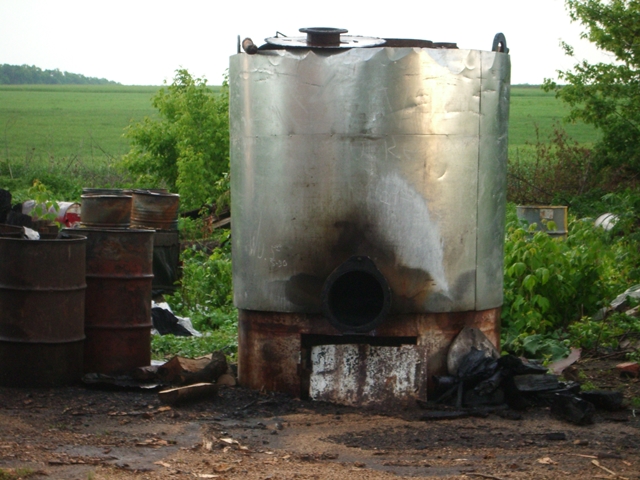
In 2005, GreenPower initiated the development of a new generation of charcoal kilns aimed at improving environmental performance and process efficiency. The CK “Vuglinka” became one of the first experimental steps in this direction. It was a compact mobile kiln designed for on-site processing of woodworking residues directly at production and logging locations. More importantly, “Vuglinka” represented the first attempt to implement controlled afterburning of pyrolysis gas and to use this energy to support the carbonization process itself. This marked a transition from traditional charcoal production toward energy-efficient and more environmentally responsible technologies. These units were produced in very limited quantities, as their primary role was experimental. The objective was to define key process parameters, including:
• behavior and combustion characteristics of pyrolysis gases
• stability of heat transfer within the system
• potential for replacing external fuel with internal process energy.
The results obtained from “Vuglinka” formed the technical foundation for the development of pyrolysis dry technologies.
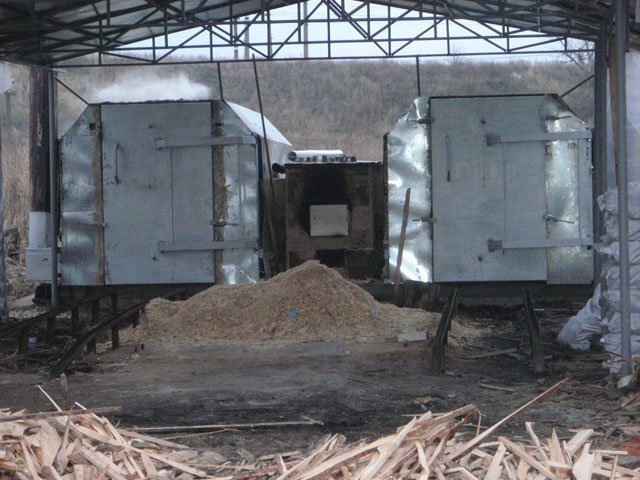
First Industrial Pyrolysis Concept
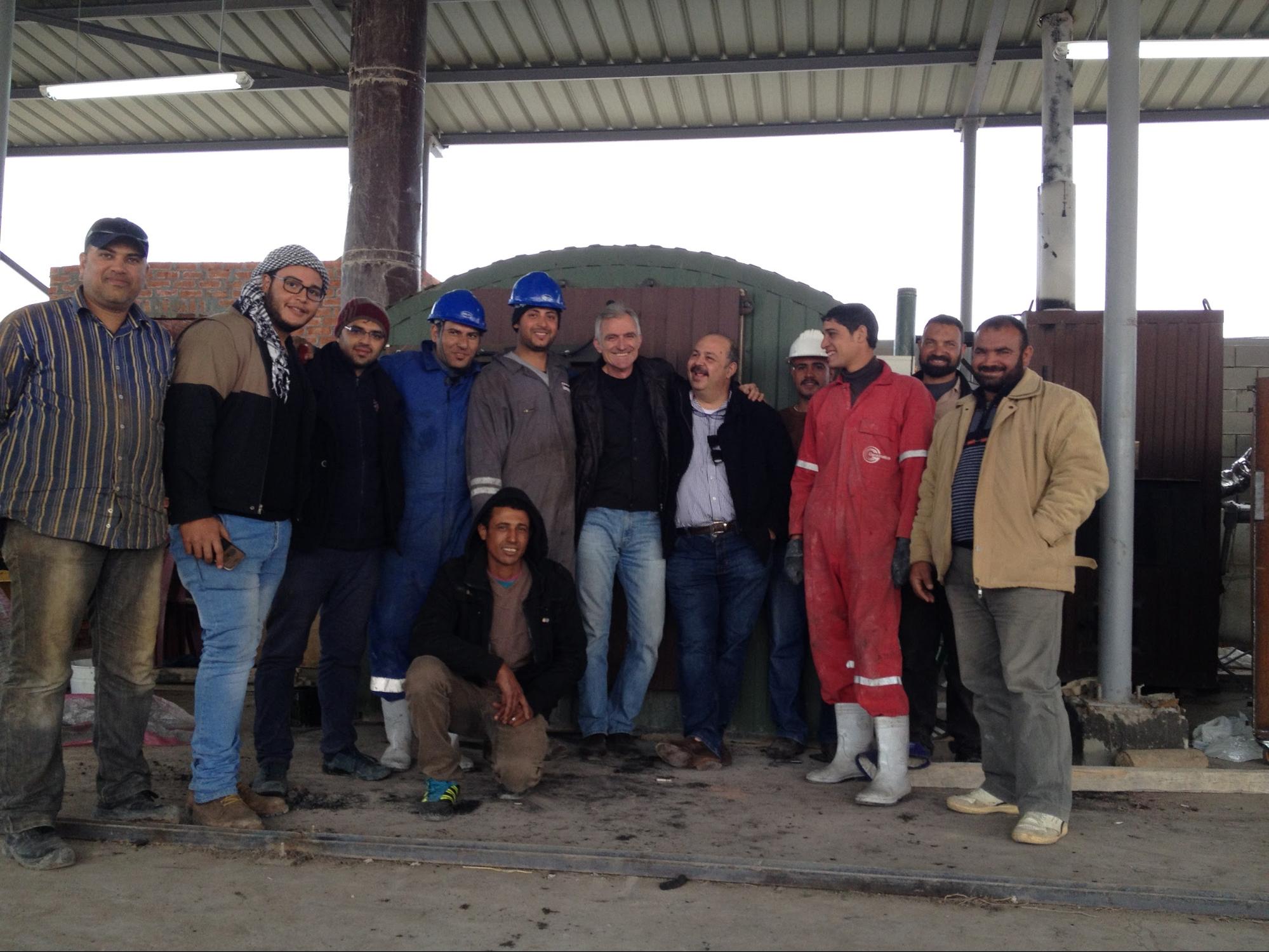
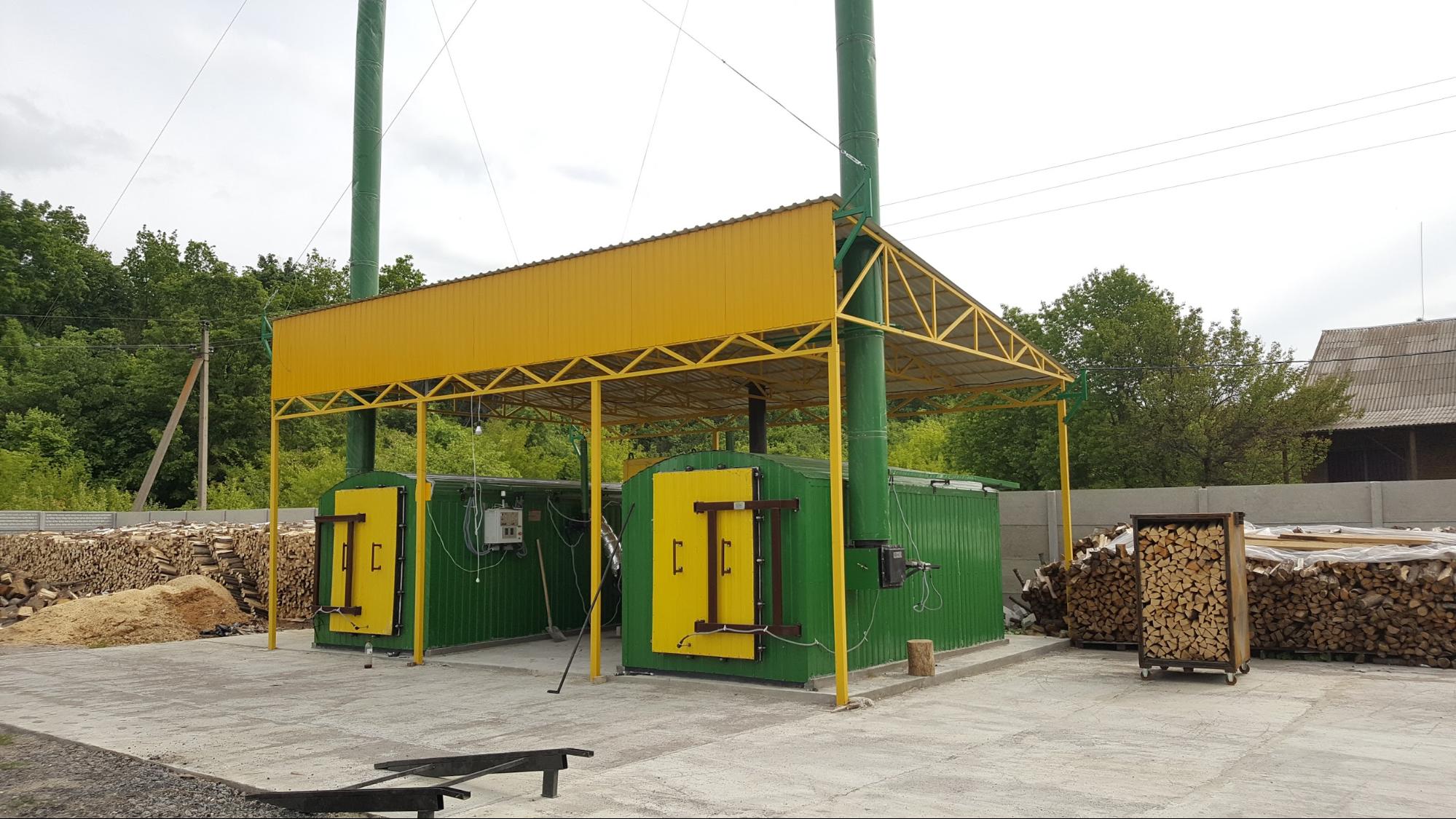
In 2007, GreenPower began the development of a fundamentally new environmentally clean pyrolysis furnace — CK “EURO”. This project became the first practical implementation of a controlled pyrolysis concept based on proprietary engineering solutions. The heating process of raw material from DRYING to PYROLYSIS was achieved through controlled positioning of slide gate-dampers, allowing redirection of the heat carrier and precise regulation of pyrolysis process thermal conditions.
For the first time, it became possible to control the evolution and combustion of pyrolysis gases, enabling stable process management and significantly improving the quality of the final carbon product.
This development marked a critical step toward fully controlled pyrolysis systems, forming the basis for further advancement of fixed bed type carbonization reactors. In early 2008, we began testing CK “EURO”. After numerous design changes as a result of our work, we gained a positive result.
Industrial Implementation and Scaling
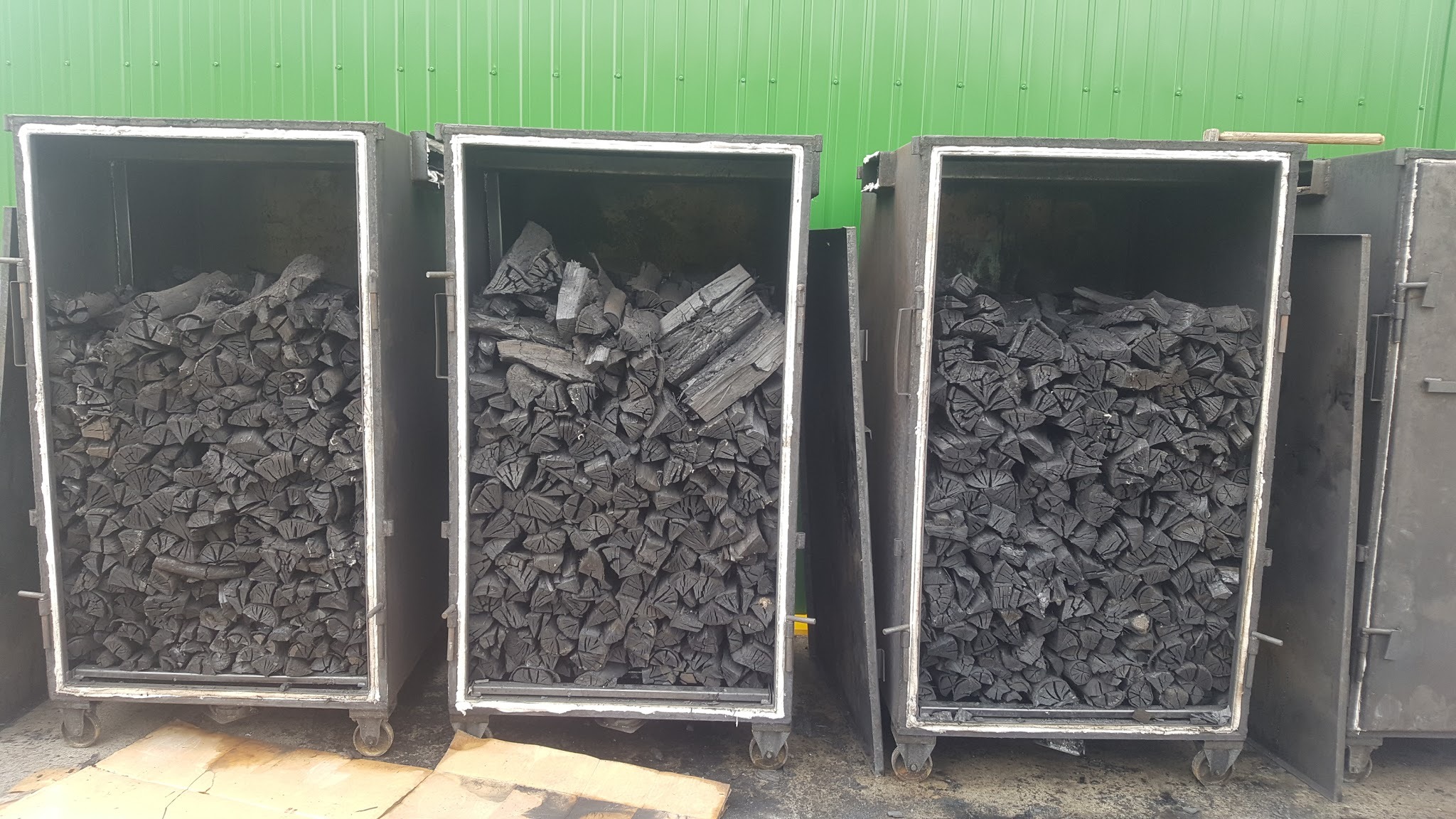
In March 2009, the first serial CK “EURO” unit was manufactured, marking the transition from concept development to industrial application.
During the following years, the design was continuously refined and upgraded based on real operating experience. By the end of 2012, more than 140 CK EURO units had been produced and commissioned by GreenPower specialists in different parts of the world.
This stage provided valuable operational data and engineering experience, allowing significant improvements in process stability, control of pyrolysis gas behavior, and consistency of product quality. As a result, CK EURO evolved into a modern carbonization system meeting industrial and environmental standards of the 21st century.
In 2013, an upgraded version was introduced under the name CK-2 “EURO”. This generation included:
- a redesigned and more efficient firebox
- more mechanization of process control
- modern refractory and thermal insulation materials
These improvements ensured higher reliability, improved thermal efficiency, and more controlled carbonization, forming the foundation for the next stage of GreenPower technology development.
Modular Design and Industrial Readiness
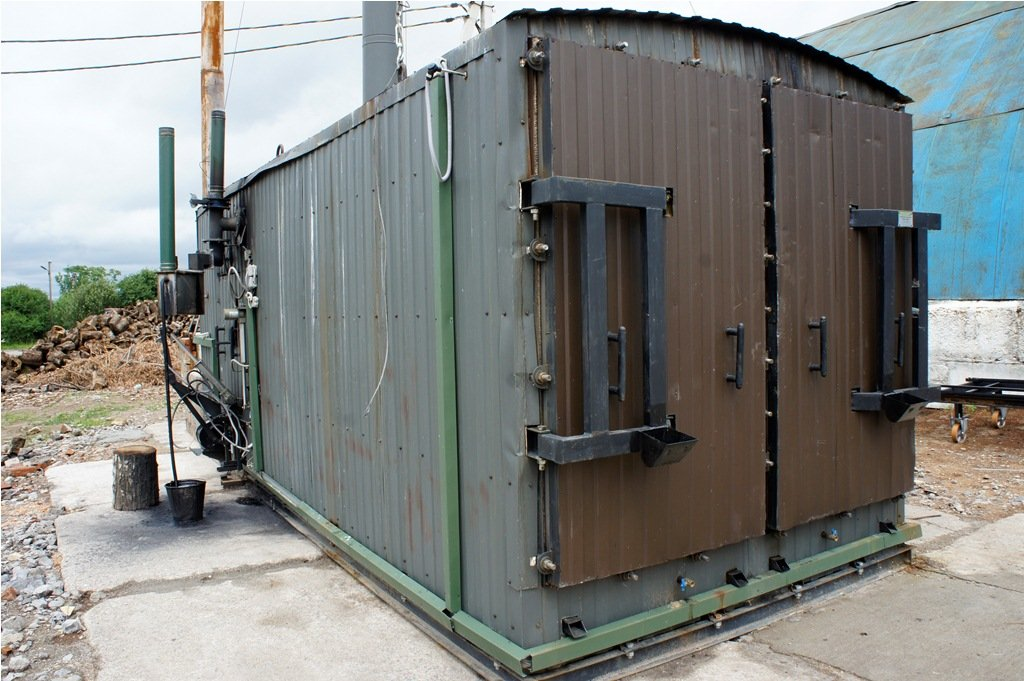
In 2013–2014, a new generation furnace, CK-3 “EURO”, was designed and manufactured. The primary objective of this development was not only to eliminate the structural limitations of previous EURO generations, but also to minimize on-site assembly operations prior to commissioning.
The CK-3 concept introduced a modular, pre-engineered design, allowing most of the system to be manufactured and prepared at the factory. This significantly reduced installation time, simplified on-site works, and minimized dependence on local conditions and assembly personnel.
In 2015, the first serial CK-3 “EURO-m” unit was produced. During its operation, further refinements were implemented, focusing on improving reliability, installation efficiency, and process stability under real industrial conditions.
This stage marked a transition toward standardized, industrial-ready systems with reduced installation complexity and improved environmental performance.
Production, Quality and Service
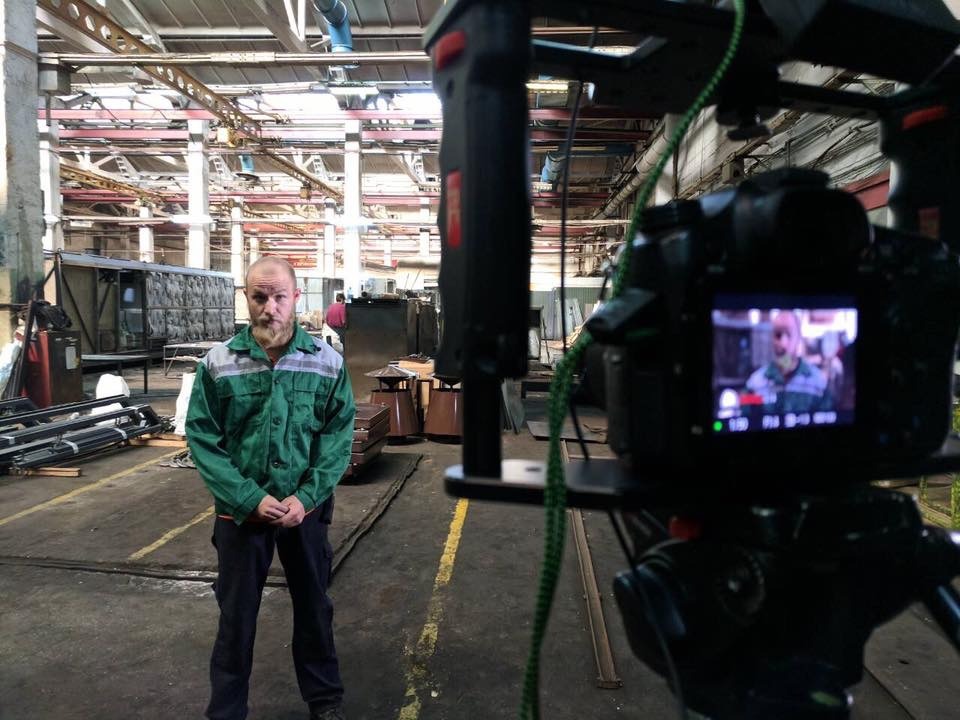
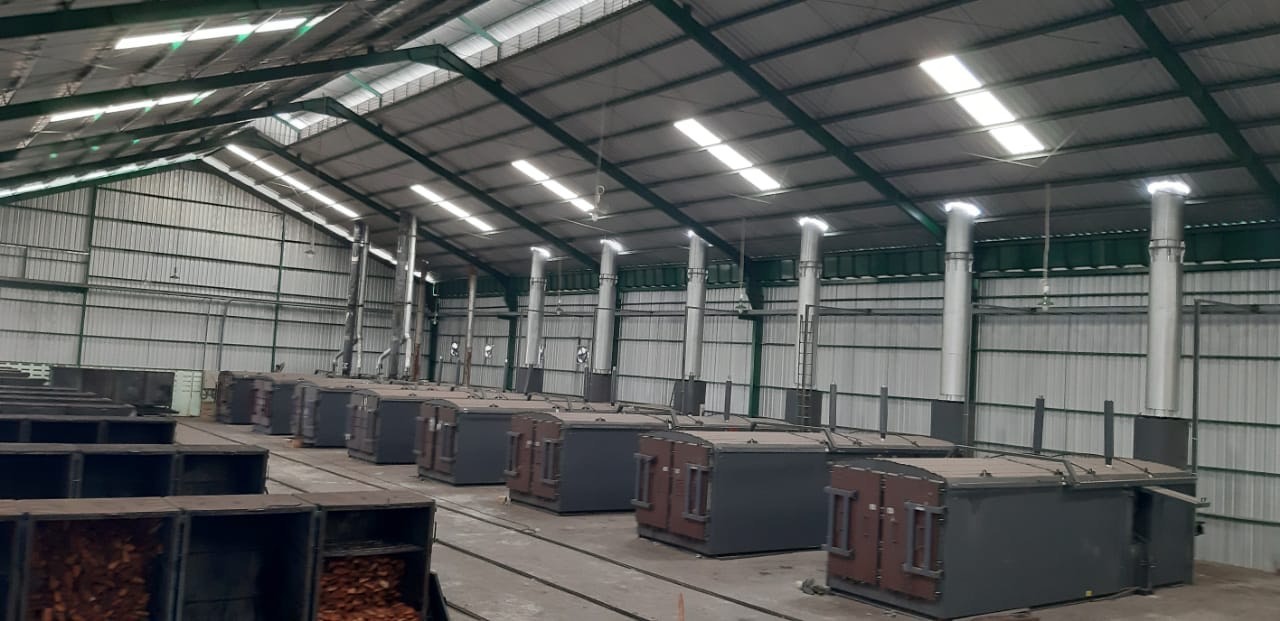
In 2014, GreenPower opened its European sales office in Plovdiv, Bulgaria, strengthening its presence in international markets. At the same time, the company developed its production facilities, including a dedicated plant for manufacturing carbonization equipment. The facility is equipped for fabrication, assembly, and pre-installation preparation of furnaces, ensuring consistent quality and reduced on-site installation time.
Quality control is implemented at every stage of production — from component manufacturing to final inspection. Each unit is checked by the technical department, production management, and chief engineer before shipment. All products are supplied with a 12 to 24 months warranty. In practice, GreenPower provides full technical support, analyzing each case and offering optimal solutions, including assistance beyond standard warranty conditions.
The company maintains spare parts stock and works closely with suppliers, ensuring reliable and fast service. A post-warranty support system is also in place for long-term operation and upgrades of installed equipment.
EKKO Furnace Development and EURO Upgrade
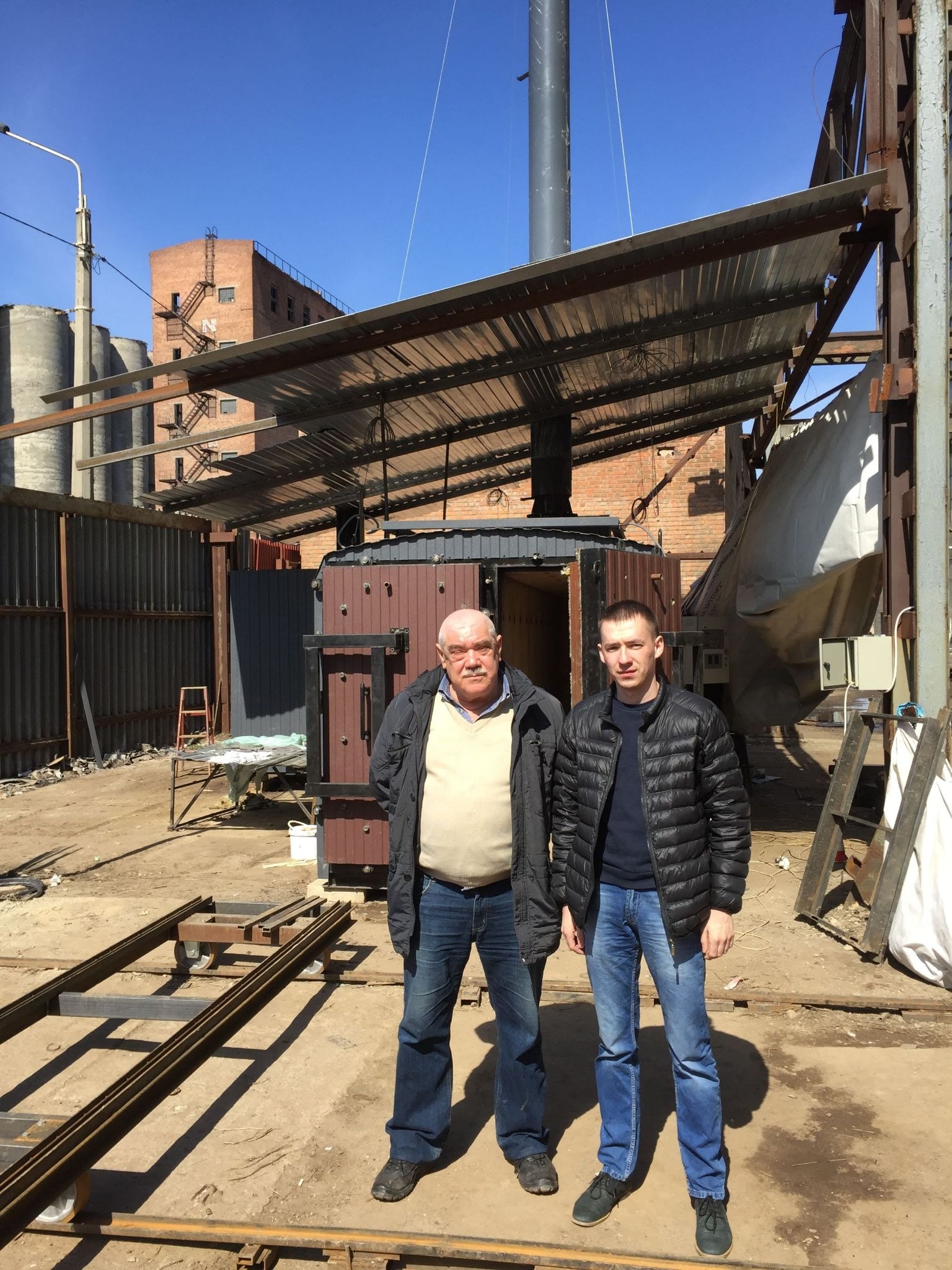
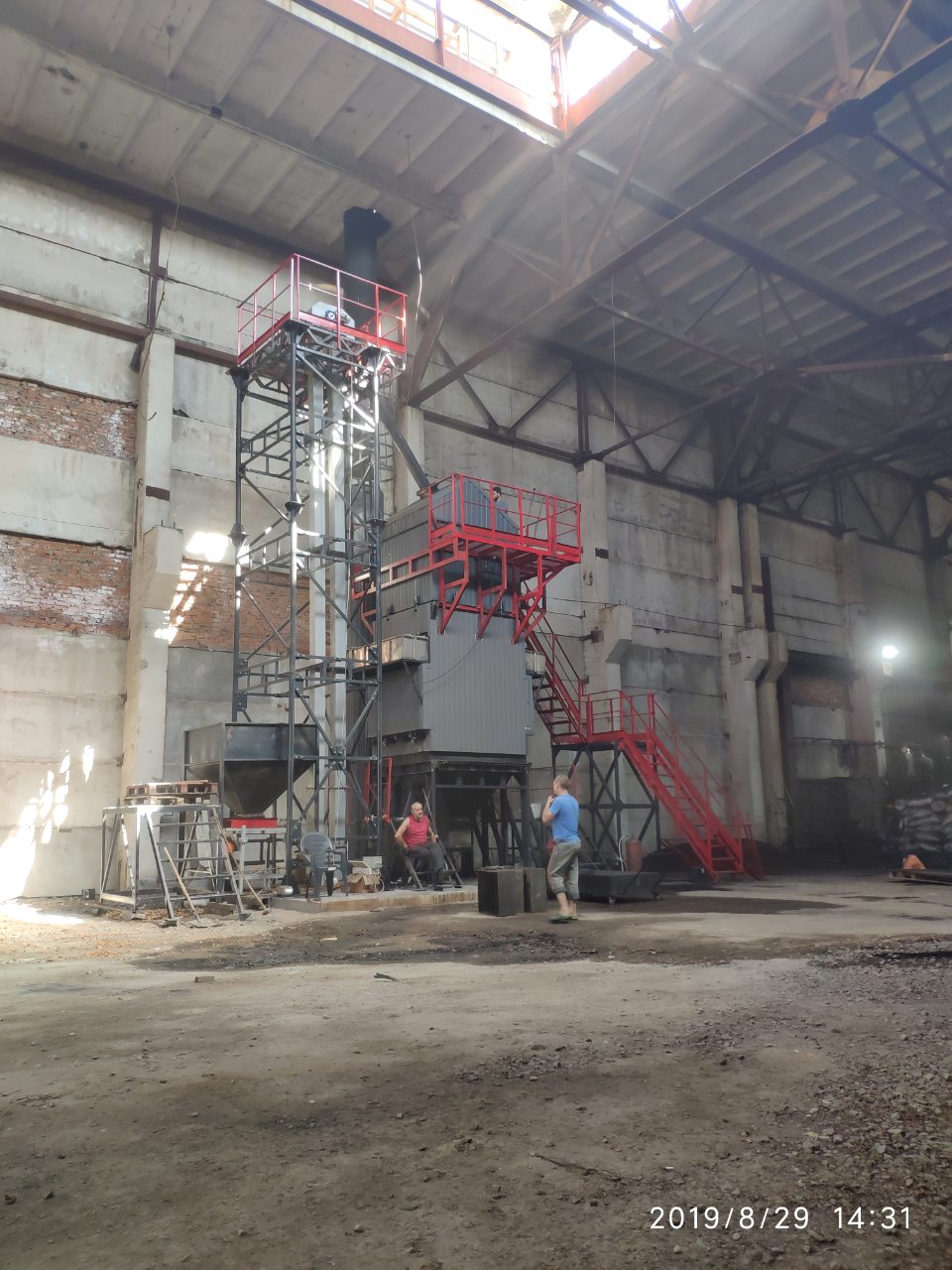
In 2016, GreenPower began testing a new generation of equipment — the experimental CK-1 EKKO furnace at the Kharkiv production site. This project was aimed at developing a more advanced, automated, and environmentally compliant carbonization system. Based on the results of these tests, a further evolution of the EKKO line was introduced. In 2017, testing and development continued, as not all engineering objectives had yet been fully achieved. This stage played a critical role in refining the technical solutions that later formed the basis of modern GreenPower furnace systems.
Transition to BIO-KILN and EKKO Series
In early 2018, GreenPower initiated experimental development of a new concept — the BIO-KILN furnace, focused on continuous carbonization and the production of high-quality biochar.
The BIO-KILN introduced a continuous process dry pyrolysis principle: raw material is fed from the top, and carbon product is discharged from the bottom. The system was designed to process a wide range of feedstocks, including wood residues and nut shells, while achieving stable carbon quality with fixed carbon content above 92%.
Throughout 2018, extensive testing, design optimization, and structural improvements were carried out. As a result, a stable operating process was achieved with the following key characteristics:
- continuous production
- minimal operator influence
- high performance
- robust and durable design
- consistent product quality
- environmentally safe operation
At the same time, the experience gained during BIO-KILN development defined the direction for the next generation of continuous type furnaces.
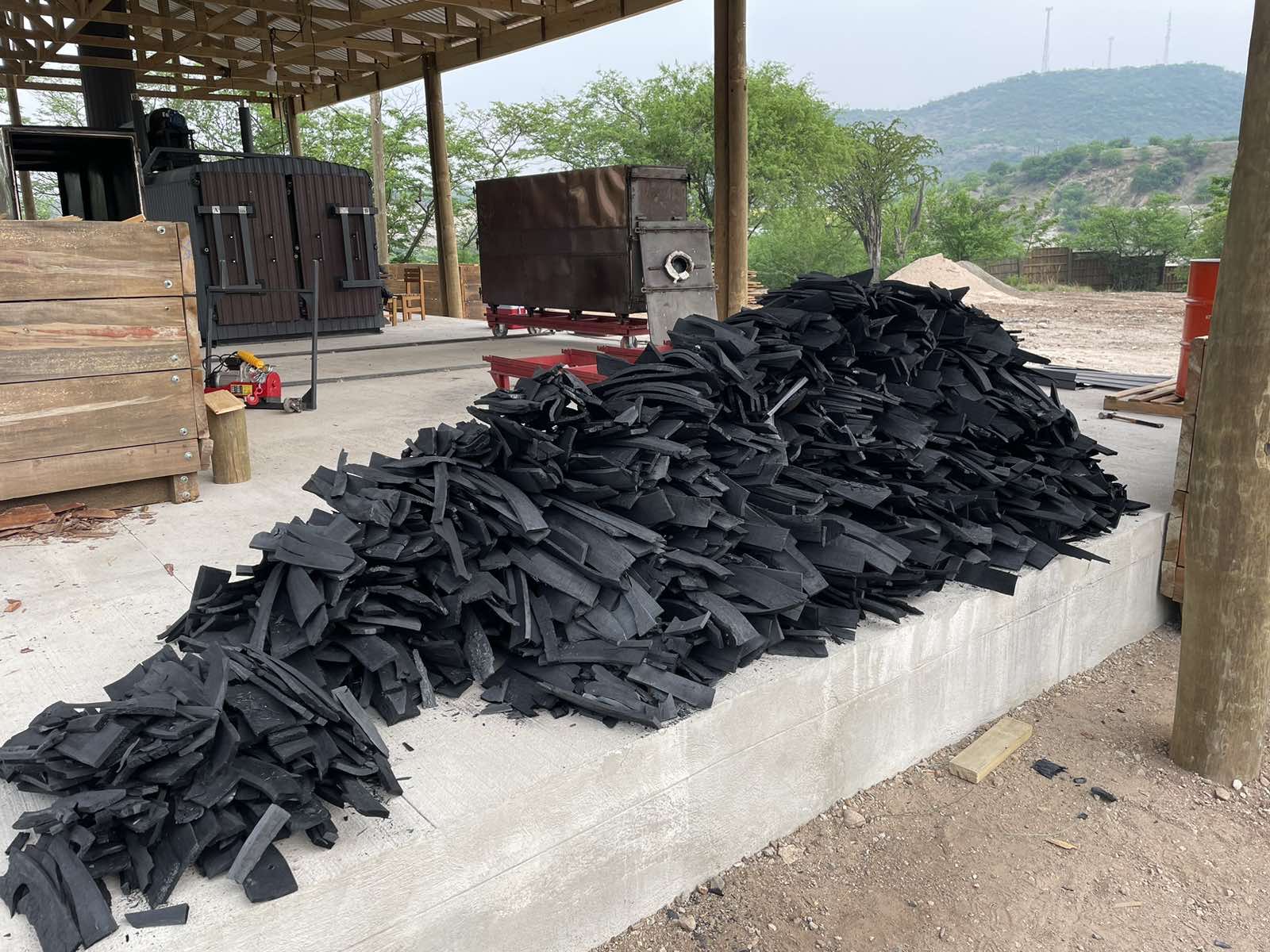
In July 2018, after more than 9 years of operation and over 500 EURO furnaces installed worldwide, the EURO series was discontinued. It was replaced by the new EKKO furnace series, which incorporated accumulated experience in process control, environmental performance, and operational efficiency.
Automation and Modern Carbonization Systems Development
Between 2019 and 2024, GreenPower focused on the development and optimization of automated carbonization systems for lump charcoal and biochar production.
This resulted in the release of the EKKO-2 furnace, a fully automated, environmentally compliant solution with remote monitoring and control capabilities. Each furnace can be connected to the Internet, allowing real-time data tracking, centralized supervision, and automated response to emergency conditions. High efficiency is achieved through advanced thermal insulation, rapid transition to operating режим, and utilization of internal process energy, including excess heat for raw material drying. The design minimizes thermal inertia by eliminating unnecessary structural mass, improving cycle time and energy performance. During this period, GreenPower manufactured more than 150 EKKO-2 furnaces.
In parallel, continuous carbonization technology was further developed through the BIO-KILN furnace series, with full automation of raw material feeding, separation, carbonization, cooling, and discharge processes. The system operates on the moving bed-type principle with indirect heating of raw material and automated control, ensuring stable operation and reduced human involvement. Additional improvements included the use of refractory materials and the utilization of excess process heat. A total of 16 BIO-KILN units of various configurations were produced during this stage.
International Manufacturing Expansion
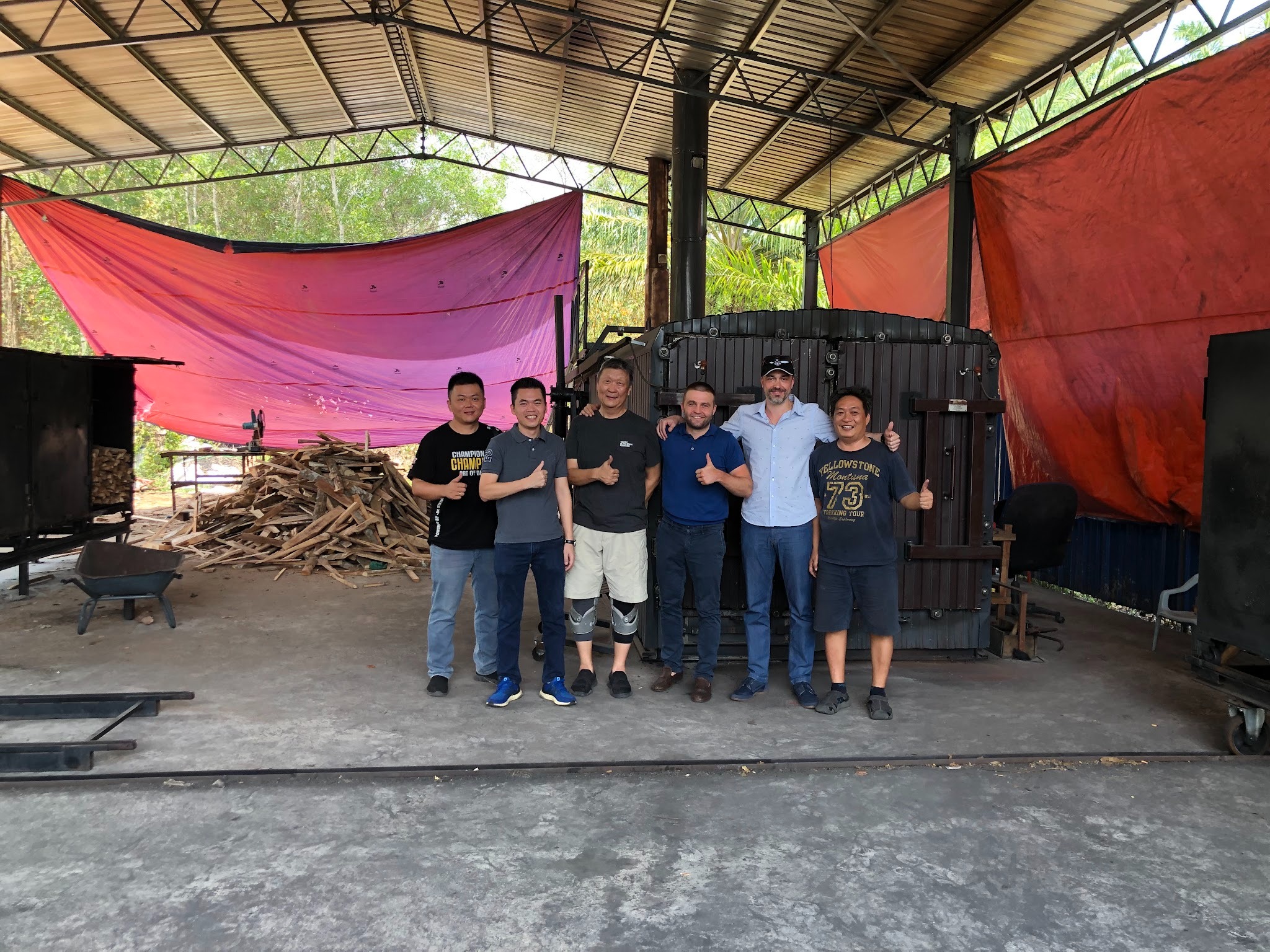
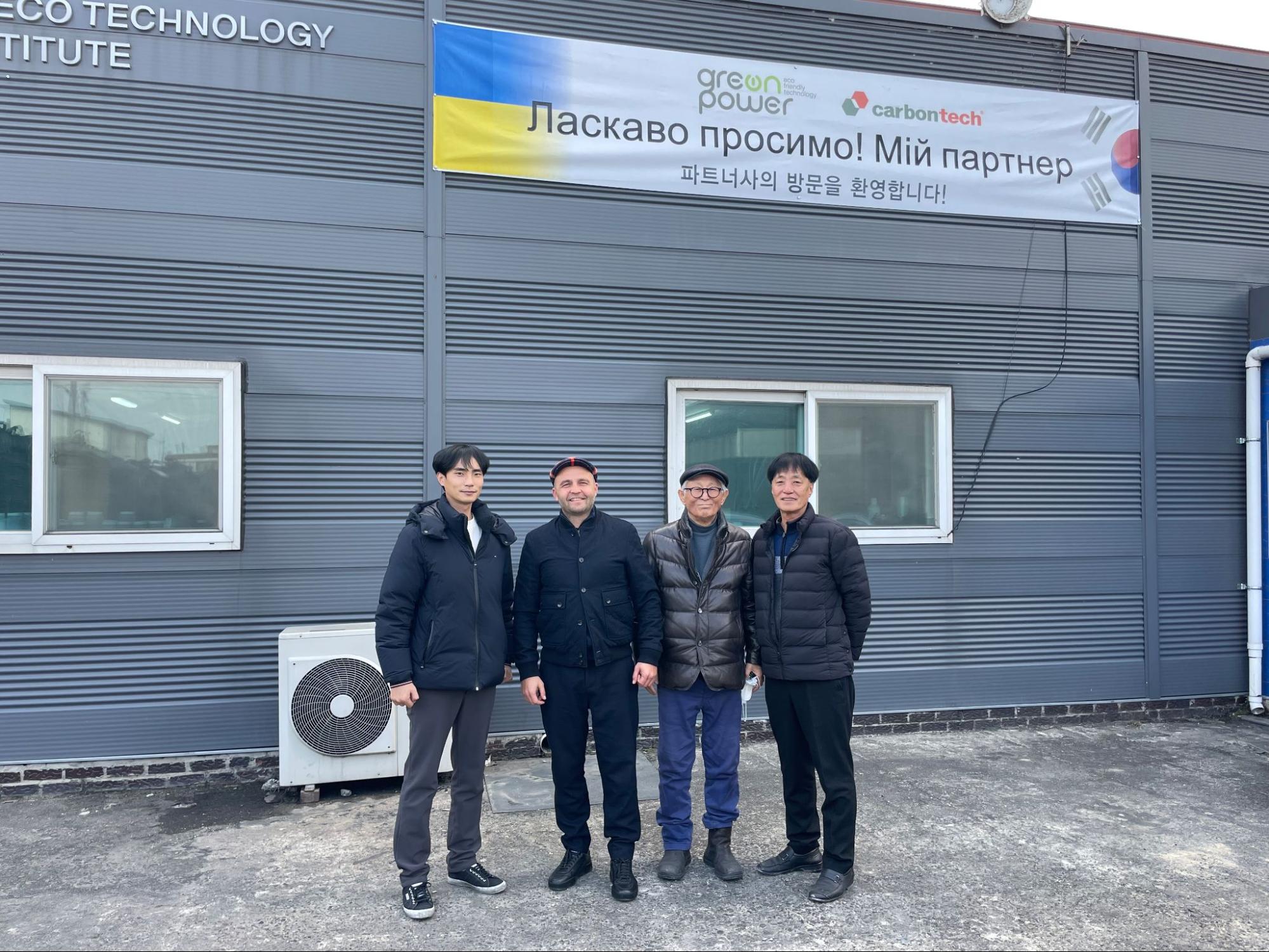
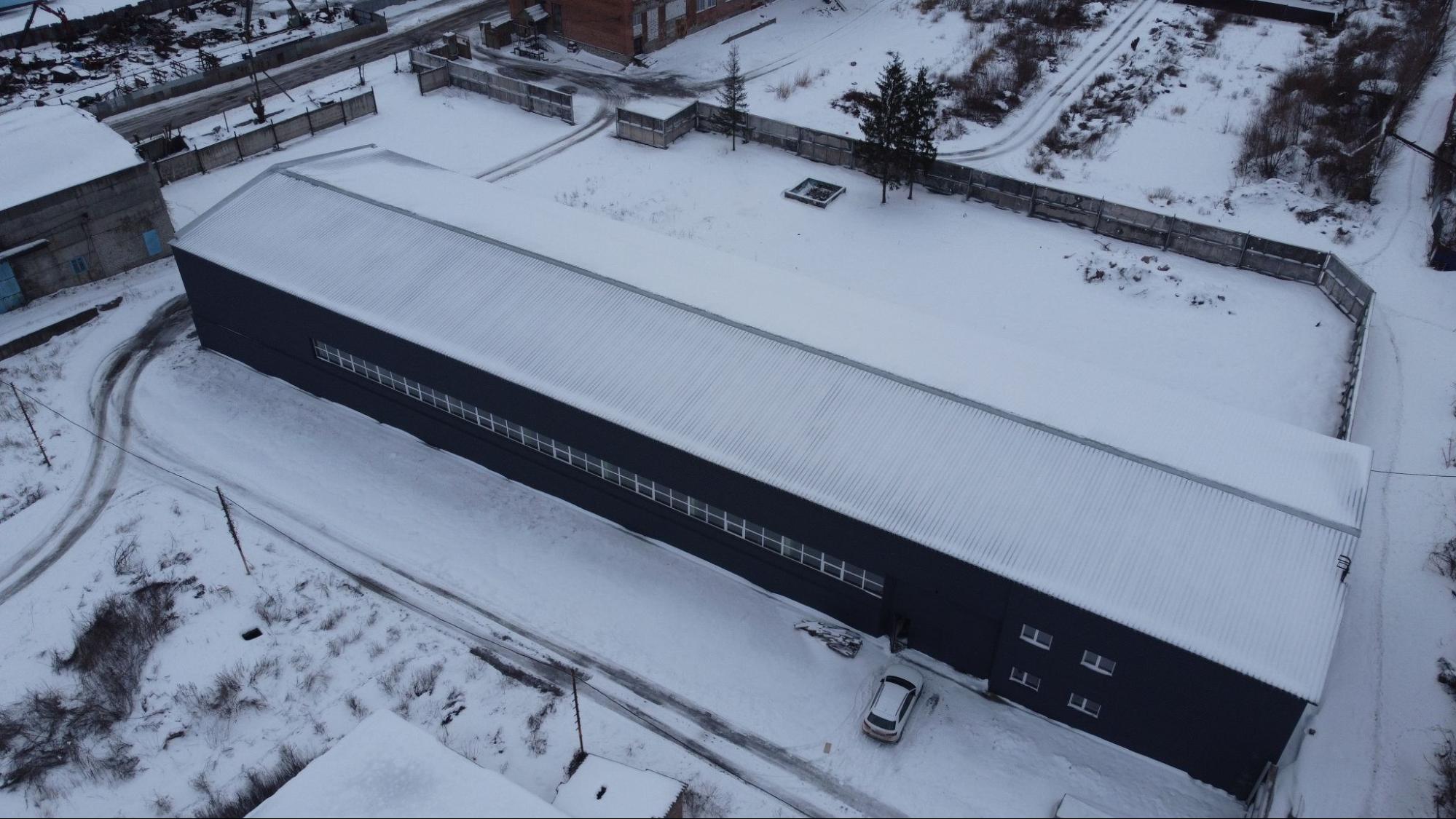
In 2023, GreenPower launched the production of EKKO-2 furnaces in Indonesia, establishing a regional manufacturing base focused on supplying the Asian market with modern, automated carbonization systems. This step allowed the company to reduce logistics costs, shorten delivery times, and ensure closer technical support for projects in the region.
As part of further expansion of its industrial footprint, in 2025, GreenPower initiated the production of BIO-KILN furnaces in China, focused on scaling continuous carbonization technology for large-scale industrial applications. This development supports the growing demand for high-quality biochar and industrial carbon materials.
These milestones marked a transition from project-based supply to localized industrial manufacturing, enabling faster deployment, improved cost efficiency, and adaptation to regional market requirements, while maintaining GreenPower’s engineering standards, process control principles, and patented technologies.
Process Methodology by GreenPower
There is no universal or standard pyrolysis technology applicable to all types of raw materials. Industrial carbon production requires a methodological, feedstock-driven approach, where process design is defined by the physical, chemical, and structural properties of the material.
GreenPower applies a sequential engineering methodology:
feedstock analysis → feedstock preparation → selection of carbonization technology
At the first stage, key parameters are evaluated, including particle size distribution, moisture content, bulk density, structure, and behavior during thermal decomposition. These parameters determine the required preparation strategy.
Feedstock preparation is implemented using a combination of technologies depending on material type:
- Size reduction:
- cutting and splitting for lump charcoal production;
- crushing and screening for wood chips and small fractions;
- Drying systems
- chamber drying for lump wood;
- drum drying for chips and small fractions;
- drum or aerodynamic drying for low bulk density feedstock
- Densification for low-density materials: briquetting or pelletizing
- Carbonization system by GreenPower
- Fixed-Bed Reactors. These are the simplest type of reactors where the feedstock remains stationary on a grate or inside a container while heat is applied. They are typically used for batch processes and are characterized by slow heating rates, making them more suitable for charcoal production (slow pyrolysis) rather than high-yield oil production.
- Moving-Bed Vertical Reactors. In a moving-bed vertical reactor, the feedstock is fed from the top and moves downward by gravity as a dense, continuous layer, while heat is typically applied through a counter-current flow of hot gases indirectly. This gravity-fed design is highly valued for its no air thermal efficiency and simplicity, making it ideal for the large-scale processing of coarse materials like wood or bamboo chips, pellets, or briquettes. Because the material remains in the reactor for a relatively long time as it descends, these reactors ensure a high degree of conversion into solid char and heat-energie with minimal mechanical complexity.
- Auger (Screw) Reactors. Auger reactors use a mechanical screw to move the feedstock through a heated cylindrical tube. They are popular for continuous small scale operations because they offer precise control over the residence time of the material and have possibility for use of low quality biomass.
- Rotary Kiln Reactors. This type consists of a rotating cylindrical vessel slightly inclined to the horizontal. As the kiln rotates, the feedstock moves through the heated zone. These reactors are highly versatile and can handle varied and “dirty” feedstock (like mixed biomass or low quality biomass) because the mechanical rotation ensures constant raw material mixing. Yield of char will be lower, as from other reactor types.
NOTIFICATION: Only after proper conditioning of the raw material is the carbonization technology selected. The choice of reactor type and process configuration is based on the required heat transfer conditions, material behavior, and target carbon specifications.
This approach ensures controlled pyrolysis, stable process conditions, and predictable carbon quality, which is critical for industrial and metallurgical applications.
Discuss Your Carbonization Project
Our engineering team will review your requirements and propose the appropriate system.