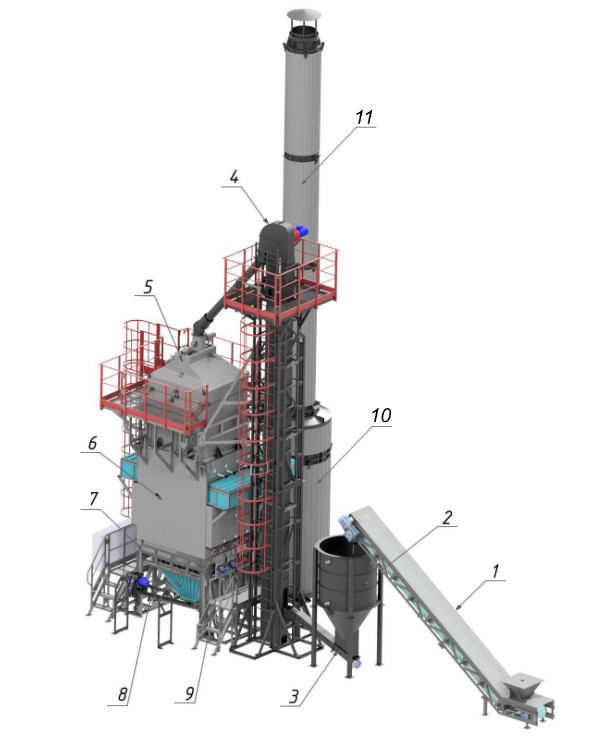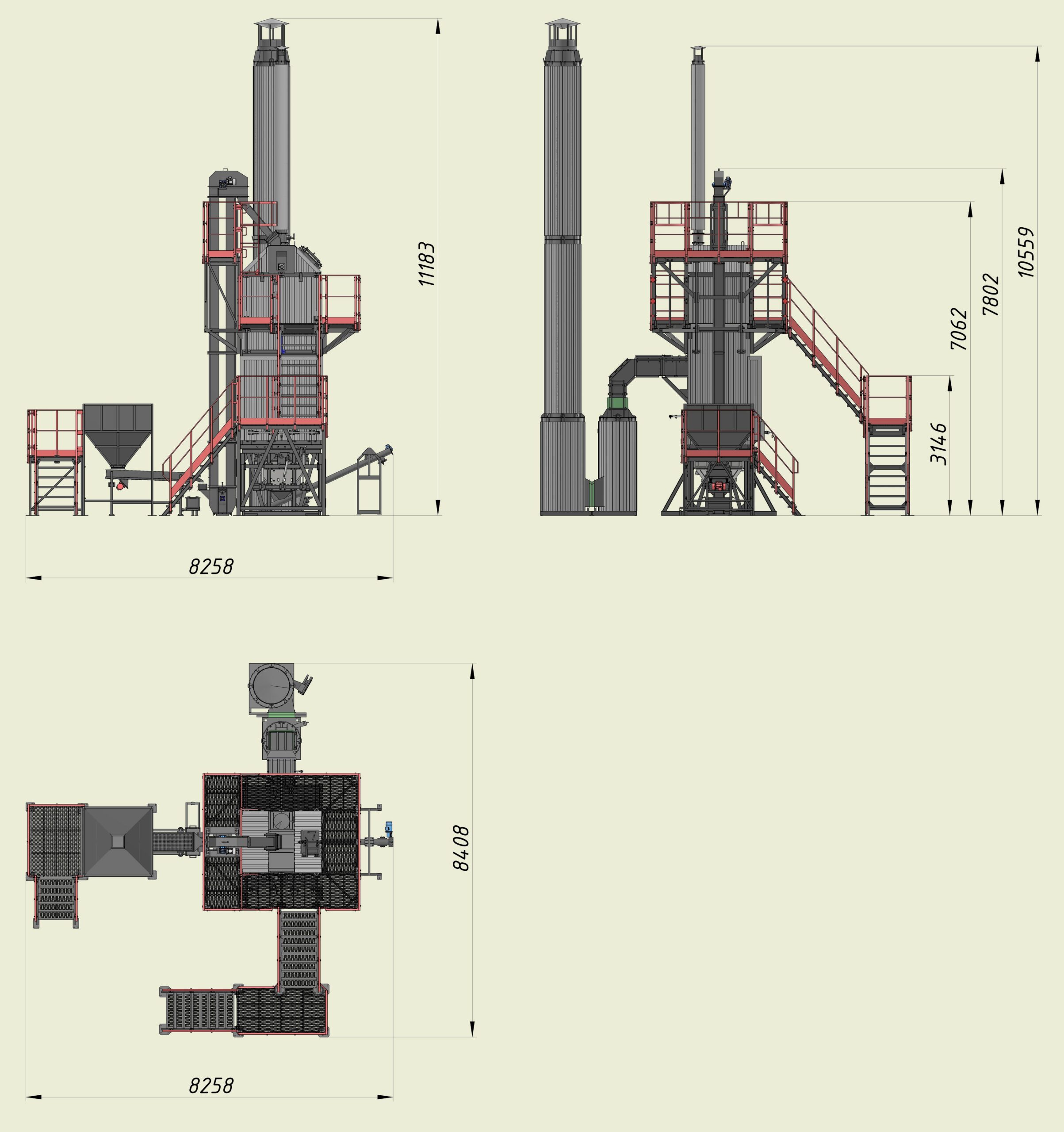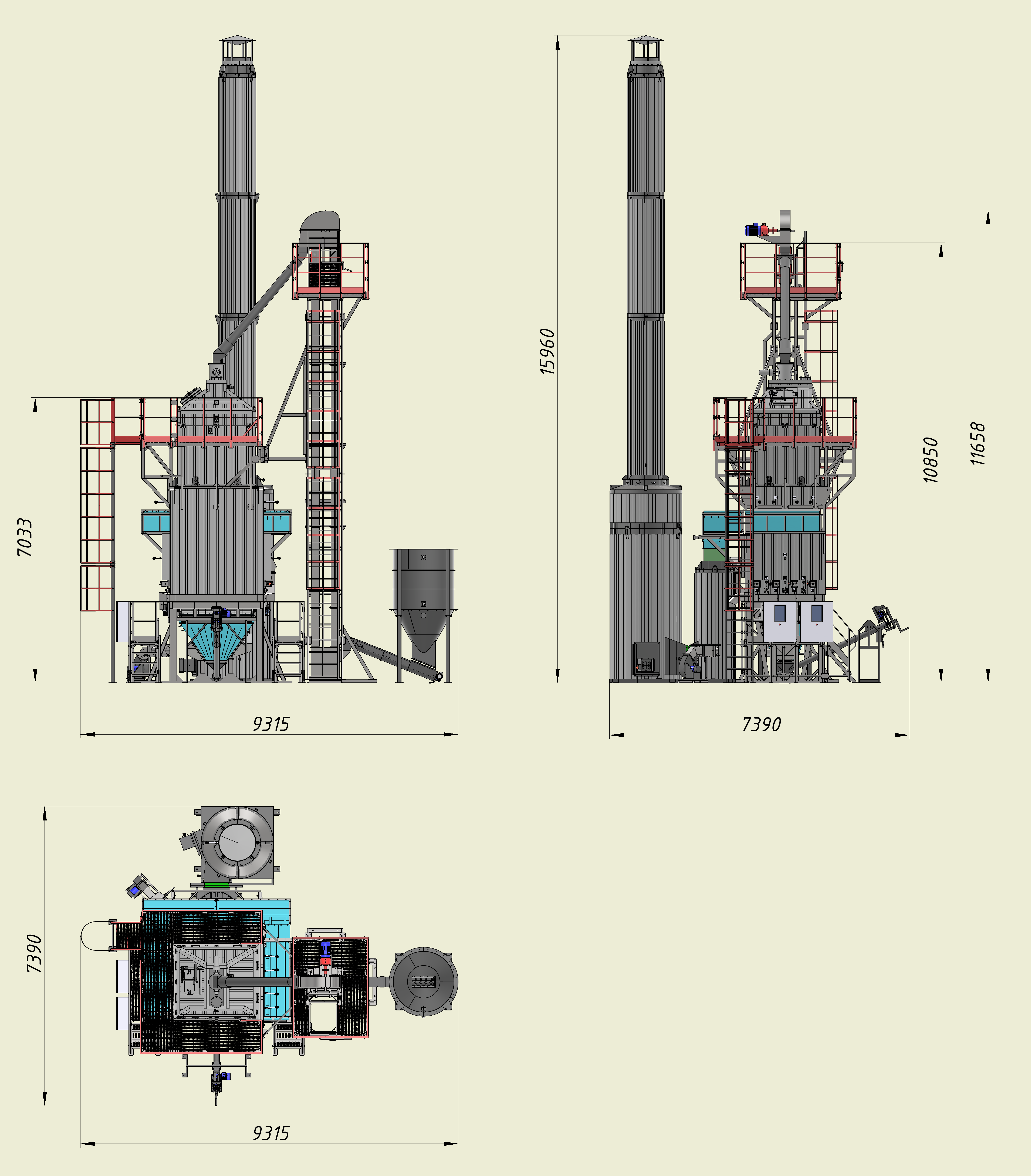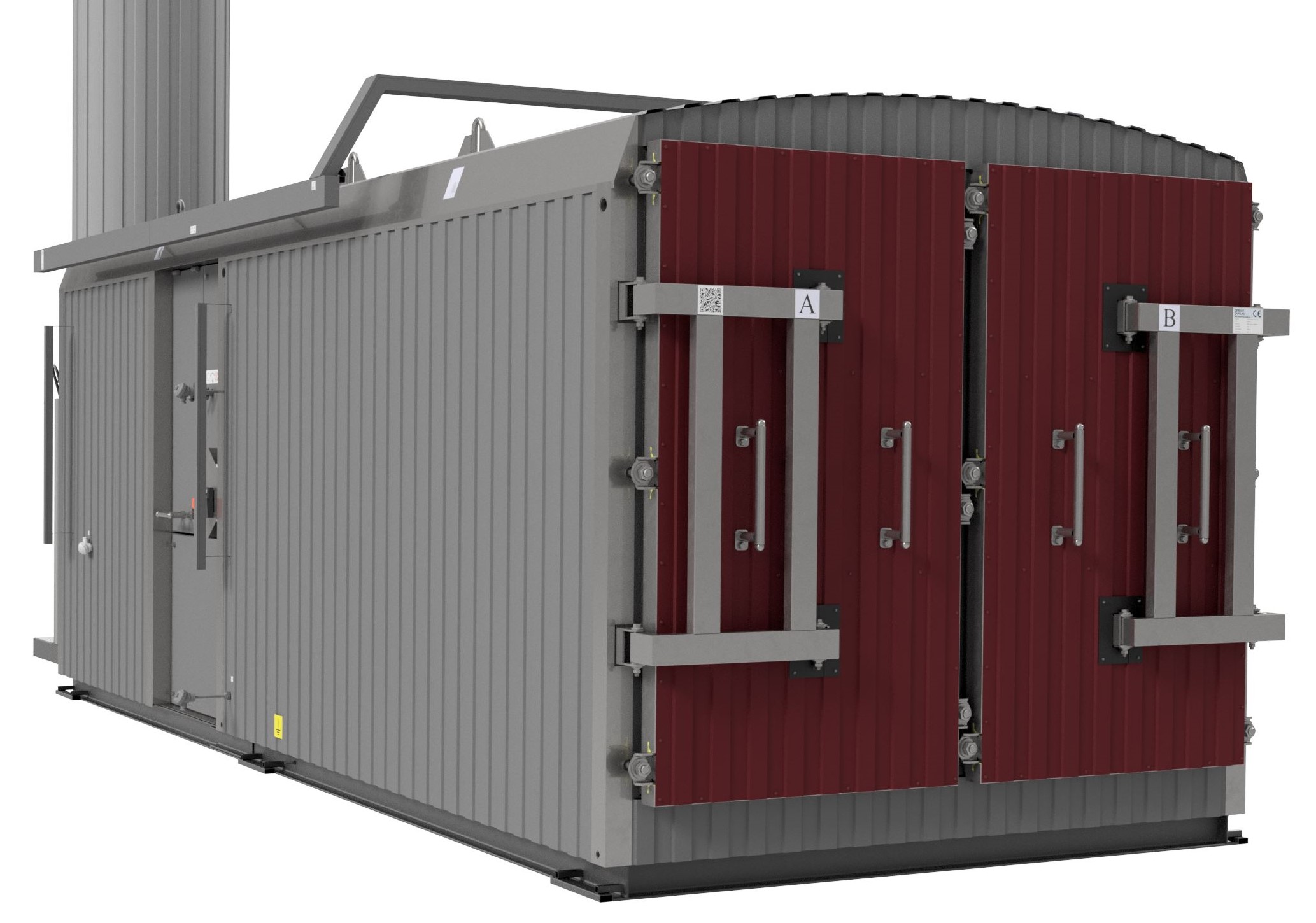

The Bio-Carbon pyrolysis unit is designed taking into account the key engineering requirements used in the certification systems for pyrolysis units and final products (biochar), namely regarding the prevention of harmful emissions into the soil and atmosphere, as well as the prevention of injury to operating personnel. The installation is designed and manufactured taking into account the basic safety and health requirements provided for by Machinery Directive 2006/42/EC and Machinery Regulation (EU) 2023/1230, including requirements for:
- preventing injuries to service personnel when contacting or approaching surfaces with elevated temperatures;
- ensuring safe operation of technological equipment;
- preventing the risks of burns, fire and uncontrolled release of hot gases;
- restricting access to hazardous areas of equipment;
- the use of thermal insulation, protective screens and fences;
- ensuring safe maintenance, cleaning and inspection of the installation;
integration of emergency stop and overheating control systems; - safety of automated control systems and actuators;
- reducing risks associated with the accumulation of dust, pyrolysis gases and high-temperature process products;
- ensuring safe removal and neutralization of pyrolysis steam and gas products;
- compliance with industrial, fire and environmental safety requirements;
- minimizing residual risks by applying technical, design and organizational measures to protect personnel.
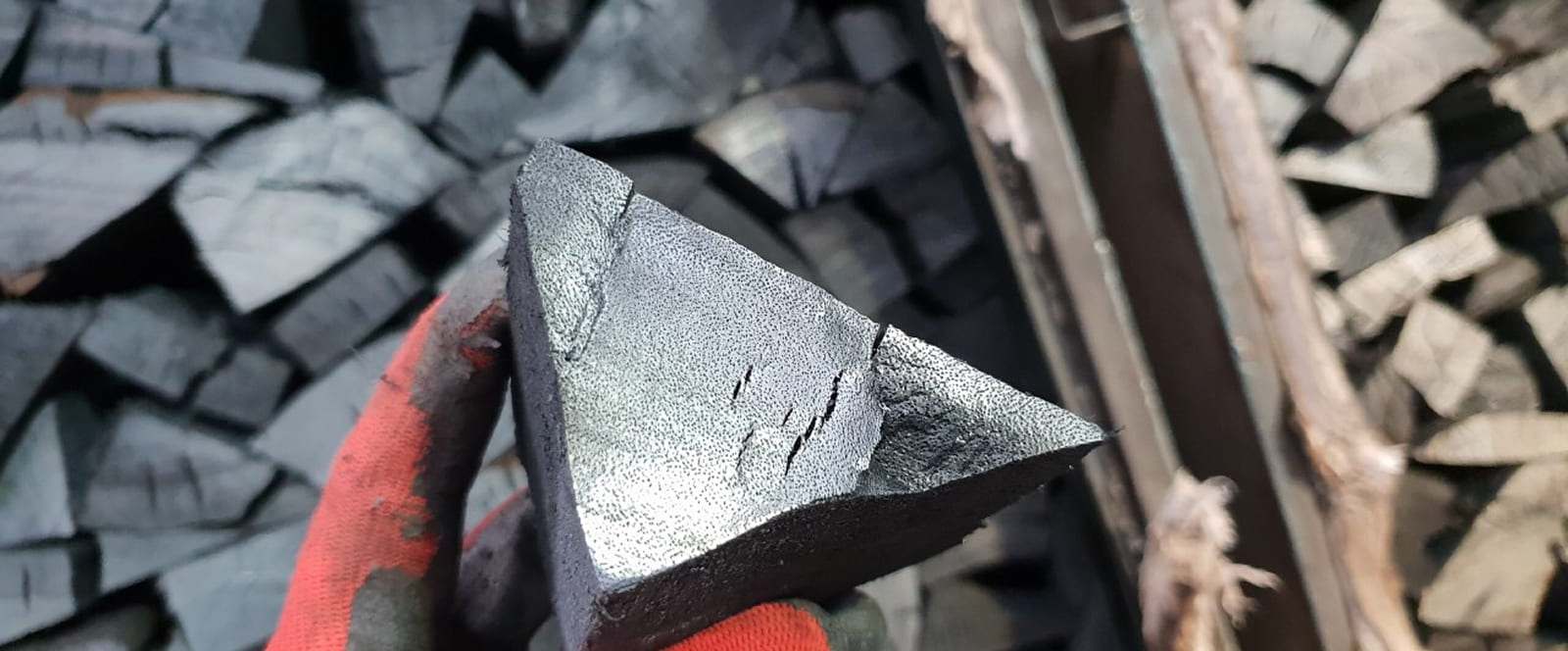
BIO-Carbon – continuous system for dry pyrolysis of biomass to obtain high-quality biochar with a fixed carbon content (Cfix) from 85 to 95%, then installation. The installation is the central unit of the biochar production system, the production complex using the installation also includes additional units of equipment to ensure the processes of preparing raw materials for the process (drying, crushing, separation) and handling the resulting final product (cooling and packaging of biochar). The stability of production processes is ensured through the use of industrial automation, with mandatory temperature control.
An automated control system (ACS) ensures control of the non-volatile carbon content in the biochar, a carbonization reactor ensures the absence of external atmospheric oxygen, and a secondary thermal oxidizer ensures the environmental friendliness of the process, which allows the biochar to be successfully certified (EBC, IBI, WBC, Puro Earth, Vera).